Managing Diabetes Without Giving Up a Kerala Diet
Rice, tapioca and evening tea are not the enemy. What matters is quantity, what accompanies them, and what your numbers actually say.
Almost every newly diagnosed patient asks the same first question: must I stop eating rice? The answer is no. Diets that demand people abandon the food their family cooks tend to be followed for a fortnight and then dropped entirely. A plan built around what you actually eat is followed for years, and years are what matter in diabetes.
Start with the plate, not the ban list
The most useful single change is proportion. Aim for half your plate as vegetables, a quarter as protein, and a quarter as rice or its equivalent:
- Keep the rice, reduce the heap. Serve it once and do not return for a second helping.
- Add a generous thoran, olan or vegetable curry — fibre slows sugar absorption
- Include protein at each meal: fish, egg, chicken, pulses, curd
- Prefer matta (red parboiled) rice, and cook it as rice rather than kanji where possible — very soft, watery preparations raise sugar faster
Local foods that catch people out
- Tapioca (kappa) is a carbohydrate, not a vegetable. Treat a serving as you would rice.
- Banana chips and jackfruit chips: fried starch, easy to eat in quantity without noticing
- Tea with two spoons of sugar, five times a day, is a substantial sugar load on its own
- Fresh fruit juice — even without added sugar — sends sugar up faster than the whole fruit. Eat the fruit instead.
- Payasam and festival sweets: plan for them rather than pretending they will not happen. One small serving after a protein-rich meal is very different from three on an empty stomach.
Movement beats intensity
A brisk 30-minute walk on most days does more for blood sugar than occasional hard exercise. Walking for ten to fifteen minutes after your largest meal is particularly effective at blunting the post-meal rise. If joint pain limits walking, ask about alternatives rather than stopping.
Know your numbers, not just your fasting sugar
Many patients track only the fasting reading. That misses a great deal. The measures that matter:
- HbA1c every three to six months — your average control over about three months
- Post-meal readings, which often reveal problems a normal fasting sugar hides
- Blood pressure at every visit, and a yearly lipid profile
- Yearly kidney check (urine albumin and creatinine), retina examination, and a foot examination
That last group is what actually prevents the complications people fear. Diabetic eye and kidney damage develop silently and are treatable when found early — which only happens if they are looked for on schedule.
Feet, every single day
Look at your feet daily, including between the toes and the soles. Reduced sensation means an injury can go unnoticed until it is infected. Do not walk barefoot, even indoors. Bring any cut, blister, colour change or non-healing wound to us early rather than waiting to see if it settles.
Never stop or change diabetes medication because your sugars have improved. Improvement usually means the plan is working. Adjustments belong with your doctor.
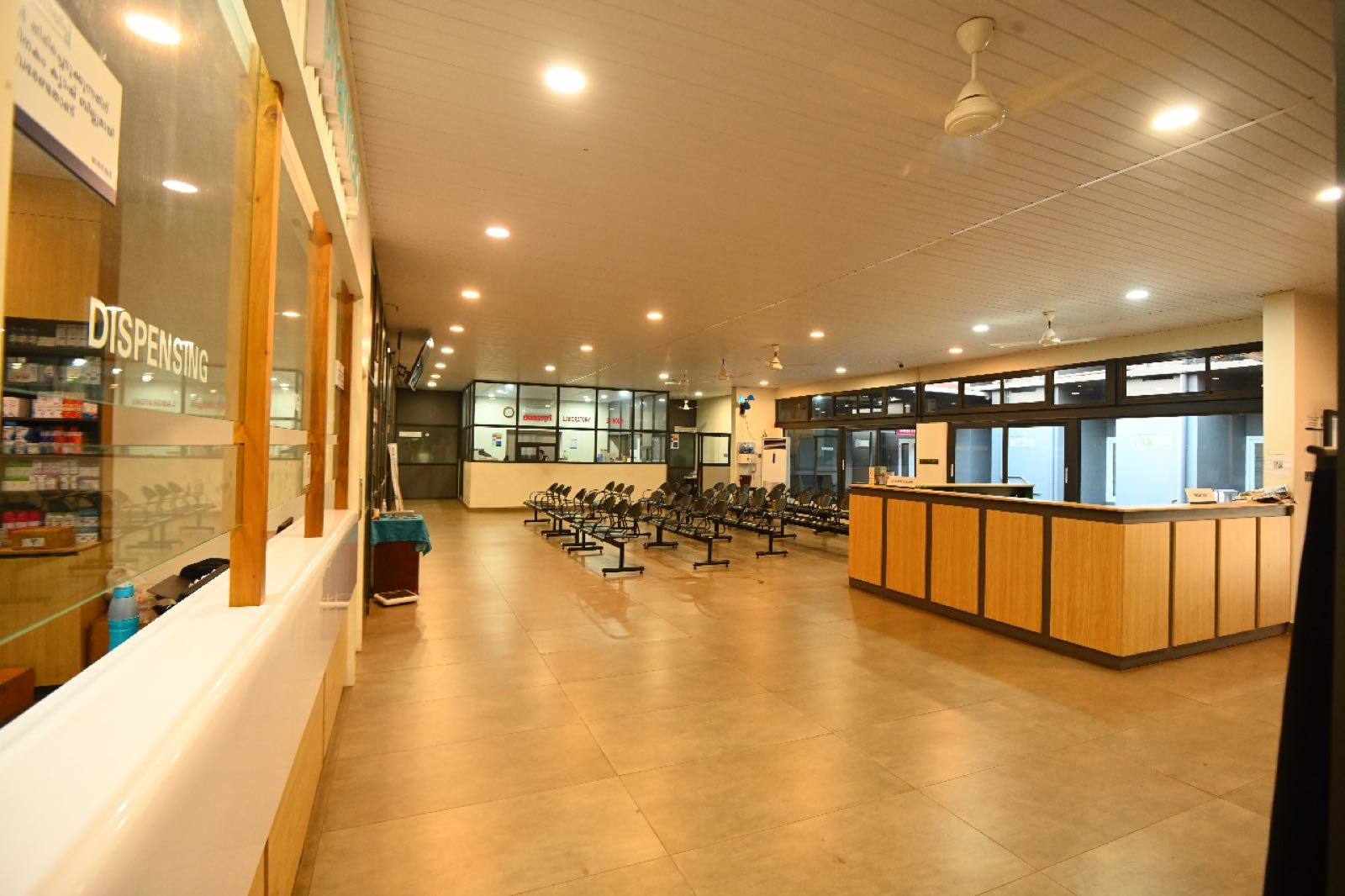
Our family medicine and diabetology clinic runs Monday to Saturday mornings, with the lab on site for same-visit testing.
This article is general health information and is not a substitute for medical advice. Symptoms vary between individuals — please consult a doctor about your own situation. In an emergency, our casualty at Chettipadi is open 24×7.